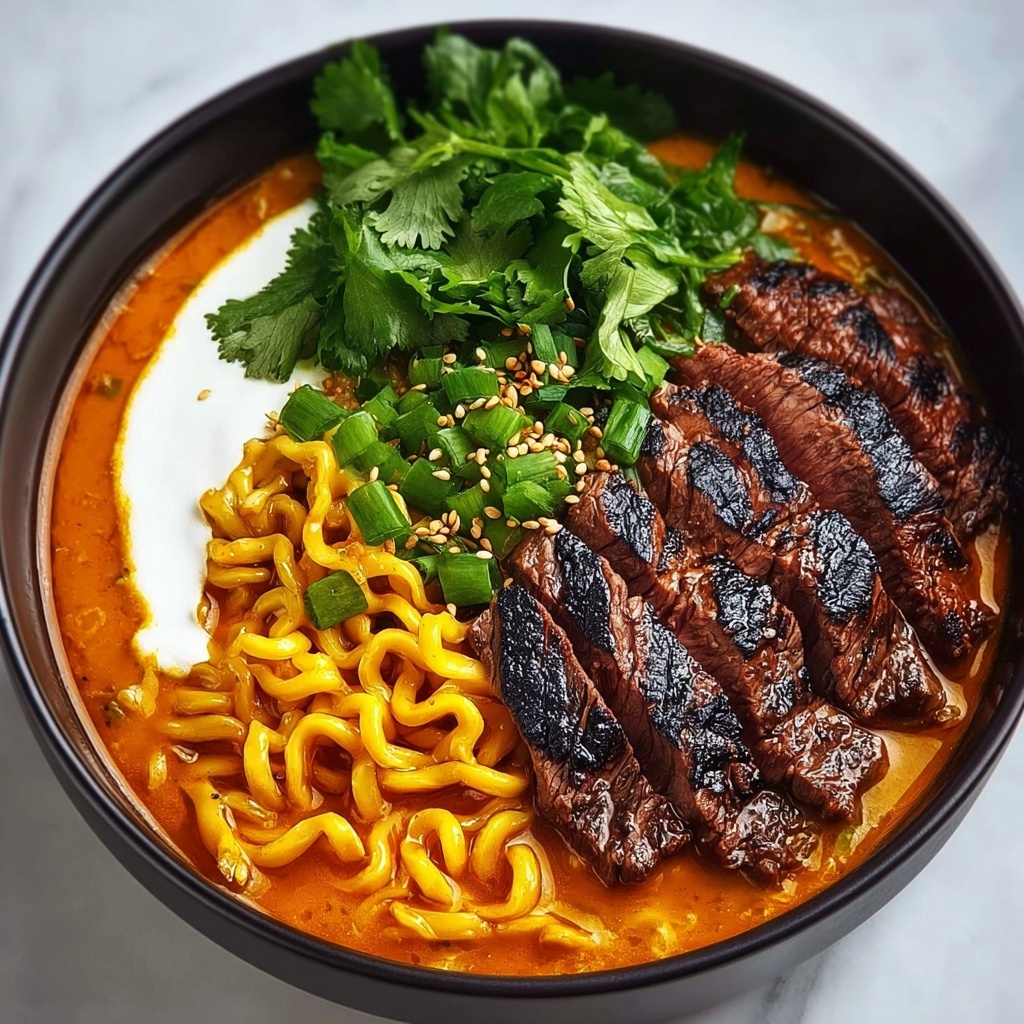
If you’re craving a bowl of bold, hearty comfort with a lively kick of heat, then this Spicy Korean Ramen Beef Recipe is going to be your next obsession. This dish perfectly balances tender, marinated beef with vibrant vegetables, silky noodles, and that unmistakable spicy-sweet touch from Korean chili paste and flakes. Whether you’re warming up on a chilly evening or impressing friends with an easy but delicious dinner, this recipe wraps up layers of flavor in every hearty spoonful.
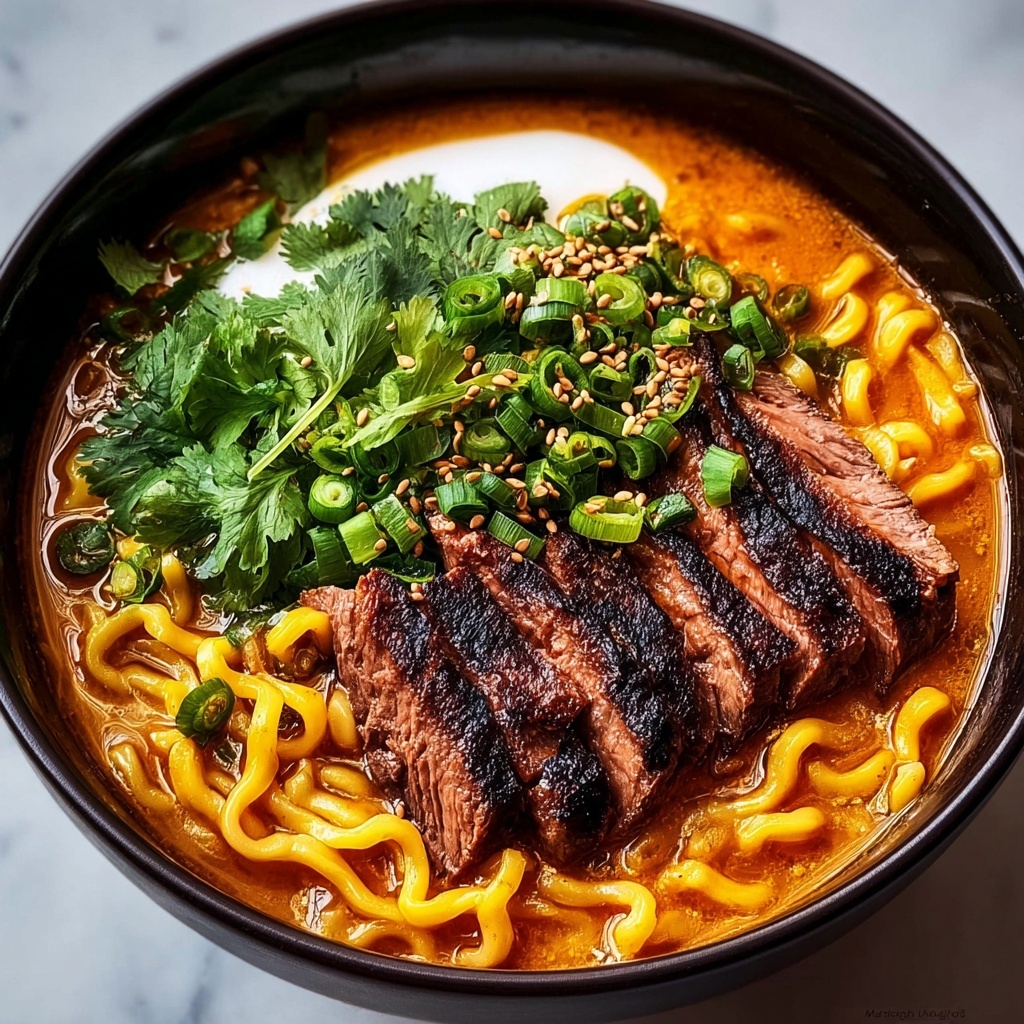
Ingredients You’ll Need
Gathering the right ingredients is the first step to capturing the authentic taste and exciting textures in this Spicy Korean Ramen Beef Recipe. Each component plays a crucial role, from the spicy gochujang that builds depth, to the crisp vegetables adding freshness and color to your bowl.
- 4 packets instant ramen noodles (Korean Shin Ramyun recommended for spice): The perfect base that soaks up all those rich, spicy flavors beautifully.
- 8 cups water: For creating the broth that brings everything together.
- 1 pound beef sirloin, thinly sliced against the grain: Tender and flavorful, it’s the star protein of this dish.
- 2 tablespoons soy sauce: Adds an umami-rich saltiness essential to Korean cuisine.
- 1 tablespoon sesame oil: Brings a fragrant nuttiness that elevates the beef marinade.
- 1 tablespoon gochujang (Korean chili paste): The key spicy-sweet ingredient that gives the broth its signature kick.
- 1 teaspoon minced garlic: Infuses aromatic warmth throughout the dish.
- 1/2 teaspoon ground ginger: Adds a subtle zing to balance the spicy notes.
- 1/4 teaspoon black pepper: Enhances the overall depth of flavor.
- 1 tablespoon vegetable oil: For sautéing that tender beef and vegetables to perfection.
- 1 medium onion, thinly sliced: Brings natural sweetness and texture.
- 2 cloves garlic, minced: Adds fresh punchiness during the cooking process.
- 1 red bell pepper, thinly sliced: Offers a pop of vibrant color and mild sweetness.
- 1 green bell pepper, thinly sliced: Adds crunch and a contrasting fresh flavor.
- 4 ounces mushrooms, sliced (shiitake, cremini, or button): Earthy richness that deepens the broth’s complexity.
- 2 green onions, thinly sliced, for garnish: Brightens and freshens each bite.
- 1 cup bean sprouts: Adds delightful crispness to the final dish.
- 1/2 cup kimchi, chopped (optional, for extra spice and flavor): Amplifies the heat with tangy, fermented notes.
- 2 tablespoons soy sauce: Additional seasoning to balance the broth.
- 1 tablespoon gochugaru (Korean chili flakes, adjust to taste): For that distinct Korean chili heat and texture.
- 1 teaspoon sugar: A touch of sweetness to round out the spice.
- 1 teaspoon fish sauce (optional, for umami): Elevates savory depth with a subtle oceanic note.
- 2 soft-boiled eggs, halved: Creamy richness that completes the bowl perfectly.
- Sesame seeds, for garnish: Adds a toasty crunch and nutty aroma.
- Nori seaweed sheets, cut into strips: Brings an authentic Korean touch and slight brininess.
How to Make Spicy Korean Ramen Beef Recipe
Step 1: Marinate the Beef
Start by tossing your thinly sliced beef sirloin into a bowl with soy sauce, sesame oil, gochujang, minced garlic, ground ginger, and black pepper. This quick marinade packs a flavorful punch while tenderizing the beef, setting the stage for the rich taste you’re about to build. Leaving it to rest for 15 to 30 minutes lets those flavors really soak in, transforming simple beef slices into irresistibly spicy, aromatic bites.
Step 2: Sauté Vegetables and Beef
Next, heat vegetable oil in a large pot and soften your sliced onions until translucent—that sweet base makes such a difference. Add minced garlic for that fragrant lift, then toss in the marinated beef to brown evenly. Introducing the colorful bell peppers and mushrooms adds layers of texture and earthiness, while throwing in kimchi (if you’re using it) brings that signature tangy heat. Cooking everything together lets the ingredients mingle beautifully before the broth arrives.
Step 3: Cook Ramen and Flavor the Broth
Pour in the 8 cups of water to create your broth foundation and bring it to a lively boil. Now’s the time for the ramen noodles — they’ll soak in all the spicy, savory notes. While the noodles cook, stir in soy sauce, gochugaru, sugar, and optional fish sauce to balance the flavors perfectly. Taste testing here is key; tweak the seasoning just right! Toss in the fresh bean sprouts near the end for a refreshing crunch that contrasts delightfully with tender noodles.
Step 4: Assemble and Serve Your Spicy Korean Ramen Beef Recipe
Divide the vibrant, aromatic ramen, beef, veggies, and spicy broth into four generous bowls. Garnish with green onions and toasted sesame seeds for that extra flair, then crown each bowl with a halved soft-boiled egg that adds creamy luxury. If you want to channel full Korean authenticity, add strips of nori on top. This hearty feast is best enjoyed piping hot, letting you savor every rich, spicy spoonful.
How to Serve Spicy Korean Ramen Beef Recipe
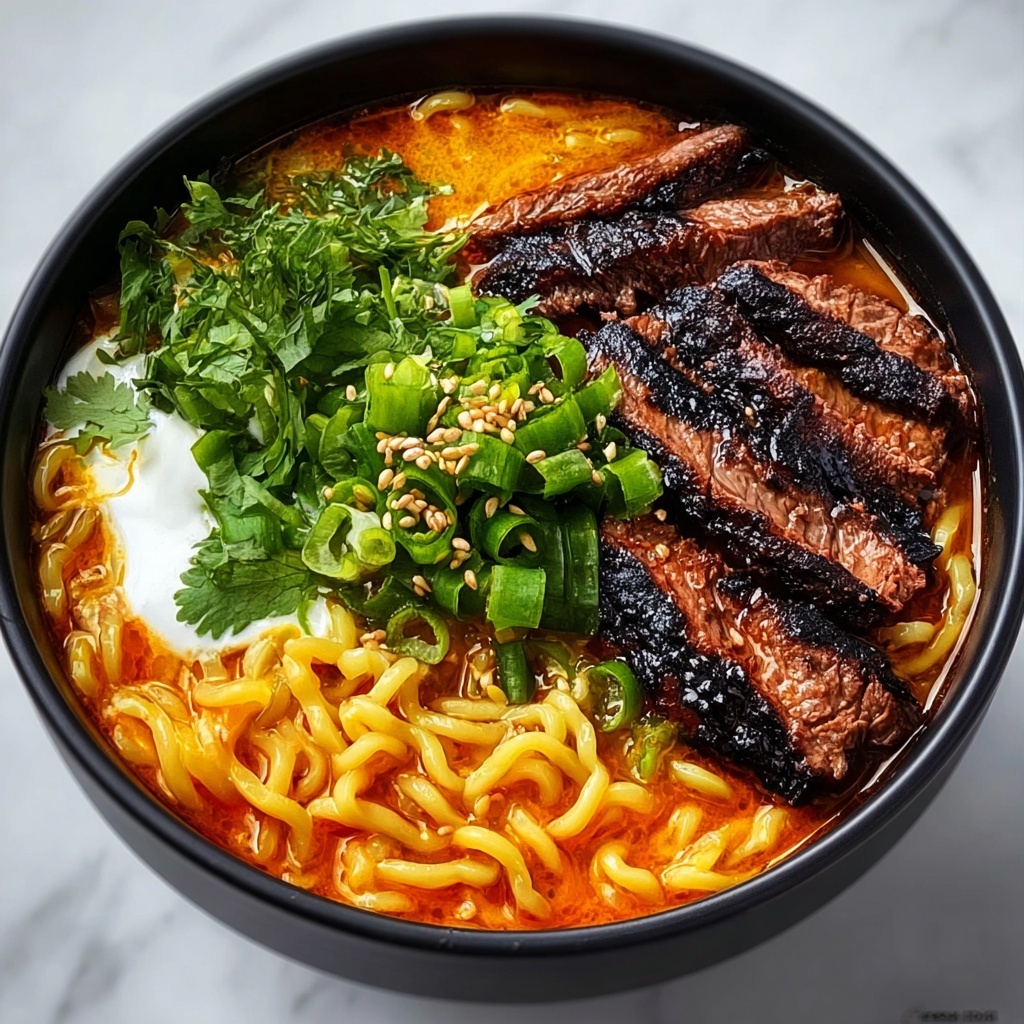
Garnishes
Garnishes really bring the dish to life visually and flavor-wise. Freshly sliced green onions add a crisp brightness to contrast the rich broth. Toasted sesame seeds give a nutty crunch that pairs beautifully with the tender beef. Soft-boiled eggs introduce a luscious creaminess, and crunchy nori strips deliver a lovely briny finish that’s classic in Korean cuisine. These small touches elevate every bowl.
Side Dishes
For an even more memorable meal, serve your Spicy Korean Ramen Beef Recipe alongside simple side dishes like steamed rice, light kimchi, or a crisp cucumber salad. The rice helps mellow out the heat if needed while kimchi reinforces the flavors with fermented crispness. Pickles or lightly seasoned greens also provide refreshing balance to this spicy, hearty main dish.
Creative Ways to Present
Want to impress your guests? Serve the ramen in individual stone bowls or rustic ceramic bowls to keep it warmer longer and bring a traditional feel. For a fun twist, arrange additional toppings separately so each person can customize their bowl—think extra chili flakes, fresh herbs, or toasted seaweed. You could even add a splash of lime juice or fresh cilantro for an unexpected zing that brightens the fiery broth.
Make Ahead and Storage
Storing Leftovers
The Spicy Korean Ramen Beef Recipe makes excellent leftovers. Store cooled leftovers in an airtight container in the refrigerator for up to 3 days. Because of the broth, keep the noodles and toppings slightly separate if possible to prevent sogginess. When ready to eat, gently reheat in a pot on the stove to bring everything back to life without losing texture.
Freezing
Freezing this dish is possible but with a few notes. Separate the beef and broth from the noodles and softer toppings before freezing in airtight containers. This method helps maintain the quality, as noodles tend to become mushy when frozen and reheated. You can freeze the broth and beef mixture for up to 2 months. Thaw overnight in the fridge before reheating gently on the stove.
Reheating
The best way to reheat your Spicy Korean Ramen Beef Recipe is on the stovetop over low to medium heat, stirring occasionally. This preserves the integrity of the beef and soft veggies while warming the noodles thoroughly. Avoid microwaving if possible, as it can unevenly heat and toughen the beef. Add a splash of water or broth if it thickens too much during reheating.
FAQs
Can I use other cuts of beef instead of sirloin?
Absolutely! While sirloin is tender and great for quick cooking, you can use ribeye or flank steak as well. Just be sure to slice it thinly against the grain for maximum tenderness and marinate adequately to build flavor.
Is gochujang very spicy for beginners?
Gochujang has a moderate heat level along with a sweet and savory depth, so it’s generally approachable for most spice levels. If you’re sensitive to spice, start with a smaller amount and increase gradually as you get comfortable with the flavor.
Can I make this recipe vegetarian or vegan?
Definitely! Substitute the beef with firm tofu or mushrooms and use vegetable broth instead of water or fish sauce. Skip the fish sauce and soft-boiled eggs to keep it vegan-friendly while retaining the bold Korean flavors.
What’s the best type of instant ramen to use?
Korean Shin Ramyun is recommended for this recipe because it has built-in spice and chewy noodles that hold up well in the broth. However, if it’s not available, choose any good-quality instant ramen with a firm texture.
How spicy is this Spicy Korean Ramen Beef Recipe?
This recipe offers medium heat that hits a pleasant spicy note without overwhelming the palate. It’s easy to adjust the spice by adding more or less gochujang and gochugaru based on your preference.
Final Thoughts
There’s something truly special about the harmony of spicy, savory, and fresh flavors that come together in this Spicy Korean Ramen Beef Recipe. It’s an adventure in a bowl that’s comforting and exciting all at once. Whether it’s for a weeknight dinner or a fun gathering, I hope you delight in making and savoring this vibrant Korean-inspired dish as much as I do. Give it a try—you’ll be hooked from the very first slurp!
Print
Spicy Korean Ramen Beef Recipe
- Prep Time: 15 minutes (excluding marinating time)
- Cook Time: 30 minutes
- Total Time: 45 minutes
- Yield: 4 servings
- Category: Soup
- Method: Stovetop
- Cuisine: Korean
Description
Spicy Korean Ramen Beef is a flavorful and easy-to-make dish that combines tender marinated beef with spicy Korean instant ramen noodles, sautéed vegetables, and a rich, savory broth. This recipe features Korean staples like gochujang, gochugaru, and kimchi, delivering an authentic, spicy, and satisfying meal perfect for any occasion.
Ingredients
Beef Marinade
- 1 pound beef sirloin, thinly sliced against the grain
- 2 tablespoons soy sauce
- 1 tablespoon sesame oil
- 1 tablespoon gochujang (Korean chili paste)
- 1 teaspoon minced garlic
- 1/2 teaspoon ground ginger
- 1/4 teaspoon black pepper
Main Ingredients
- 4 packets instant ramen noodles (Korean Shin Ramyun recommended for spice)
- 8 cups water
- 1 tablespoon vegetable oil
- 1 medium onion, thinly sliced
- 2 cloves garlic, minced
- 1 red bell pepper, thinly sliced
- 1 green bell pepper, thinly sliced
- 4 ounces mushrooms, sliced (shiitake, cremini, or button)
- 1 cup bean sprouts
- 1/2 cup kimchi, chopped (optional, for extra spice and flavor)
Additional Seasonings & Garnishes
- 2 tablespoons soy sauce
- 1 tablespoon gochugaru (Korean chili flakes, adjust to taste)
- 1 teaspoon sugar
- 1 teaspoon fish sauce (optional, for umami)
- 2 soft-boiled eggs, halved
- Sesame seeds, for garnish
- Nori seaweed sheets, cut into strips
- 2 green onions, thinly sliced, for garnish
Instructions
- Preparing the Beef: In a medium bowl, combine the thinly sliced beef sirloin with soy sauce, sesame oil, gochujang, minced garlic, ground ginger, and black pepper. Mix well so the beef is evenly coated. Let it marinate for 15 to 30 minutes in the refrigerator to develop flavor.
- Sautéing the Vegetables and Beef: Heat vegetable oil in a large pot or Dutch oven over medium-high heat. Add the sliced onion and cook until softened and translucent, about 3 to 5 minutes. Add minced garlic and cook an additional minute until fragrant. Add the marinated beef and cook until browned on all sides, about 5 to 7 minutes. Stir in the red and green bell peppers and mushrooms, cooking until the vegetables become tender-crisp, about 3 to 5 minutes. If using kimchi, add it now and cook for 1 more minute to combine flavors.
- Cooking the Ramen and Enhancing the Broth: Pour 8 cups of water into the pot with beef and vegetables, then bring to a boil. Add the ramen noodles and cook according to package directions, about 3 to 5 minutes. During cooking, stir in soy sauce, gochugaru, sugar, and fish sauce if using. Taste the broth and adjust seasonings as needed. Add bean sprouts during the last minute of cooking to keep them crisp.
- Assembling and Serving: Divide the ramen, beef, vegetables, and broth evenly among four bowls. Garnish with sliced green onions and sesame seeds. Top each bowl with a halved soft-boiled egg and strips of nori seaweed if desired. Serve immediately and enjoy your delicious spicy Korean ramen beef soup!
Notes
- For more heat, increase the amount of gochujang and gochugaru to taste.
- Marinating the beef longer will deepen the flavor and tenderness.
- If kimchi is unavailable, you can omit it or substitute with a small amount of cabbage for texture.
- Soft-boiled eggs add richness but can be omitted for a lighter meal or dietary preference.
- Use a large pot or Dutch oven to ensure enough room for sautéing and cooking noodles comfortably.
- Adjust the amount of water if you prefer a more concentrated broth or soupier consistency.